
Why a boat that has been out of the water for months can appear perfectly sound, even when it isn’t.
Osmosis you can’t see
In most of the cases we deal with, the osmosis we find is still at an early stage. The hull shows no obvious blistering, the bottom looks smooth at first glance, and the owner is often convinced — quite reasonably, based on appearance — that there is nothing to be concerned about.
The problem is that this first impression is often misleading. Many boats are inspected after a long period of winter storage: three or four months out of the water, sometimes longer. Under these conditions, the laminate has had time to dry out at the surface, and an osmotic blister that would be noticeable to the touch while the boat is in the water can remain practically invisible when ashore.
The surveyor’s role
This is where the real value of a survey comes into play: not simply checking for the absence of obvious blisters, but being able to identify the smallest signs — often just a few millimetres across — of an osmotic process developing beneath the antifouling.
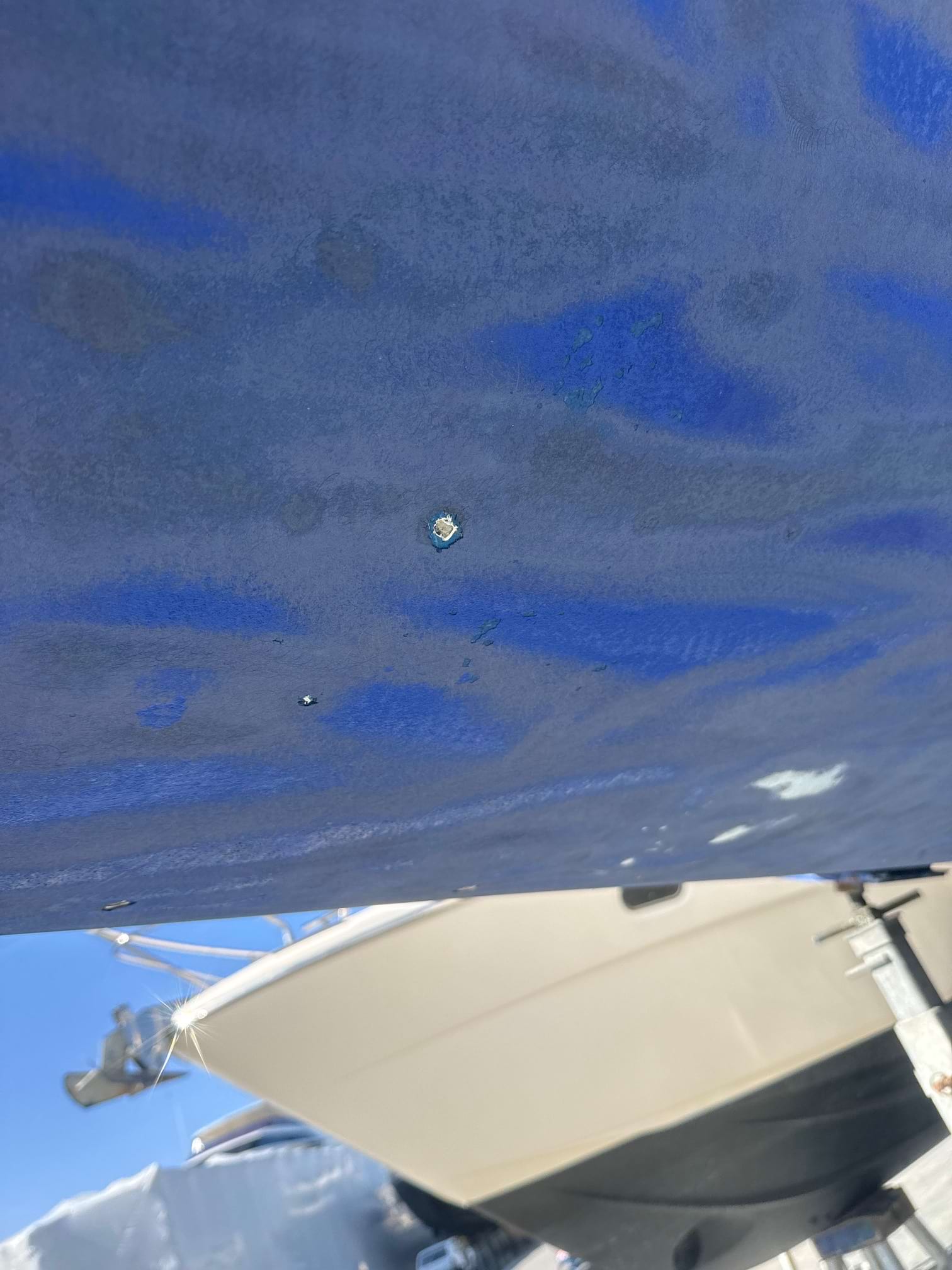
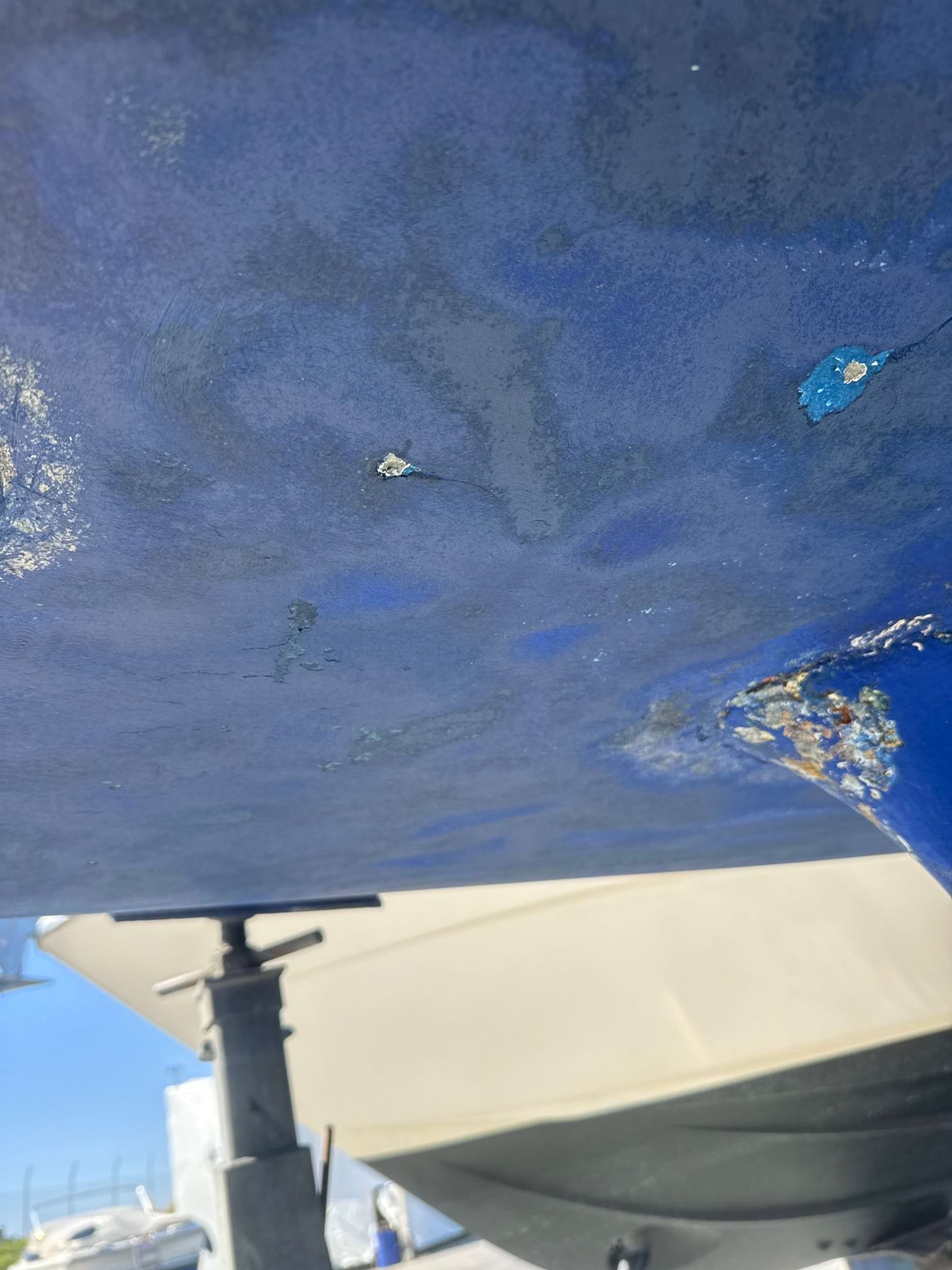
These are tiny raised spots, sometimes little more than a grain beneath the paint, which during a cursory inspection can easily be mistaken for paint residue, minor surface imperfections or signs of wear in the antifouling coating. Instead, they need to be looked for methodically, using raking light, manual inspection and, where there is reasonable suspicion, a targeted check.
A boat that has been stored ashore for months is not a boat “under observation”: it is a boat in which osmosis, if present, has simply stopped showing externally. The absence of visible blisters does not mean the absence of osmosis.
The drilling test
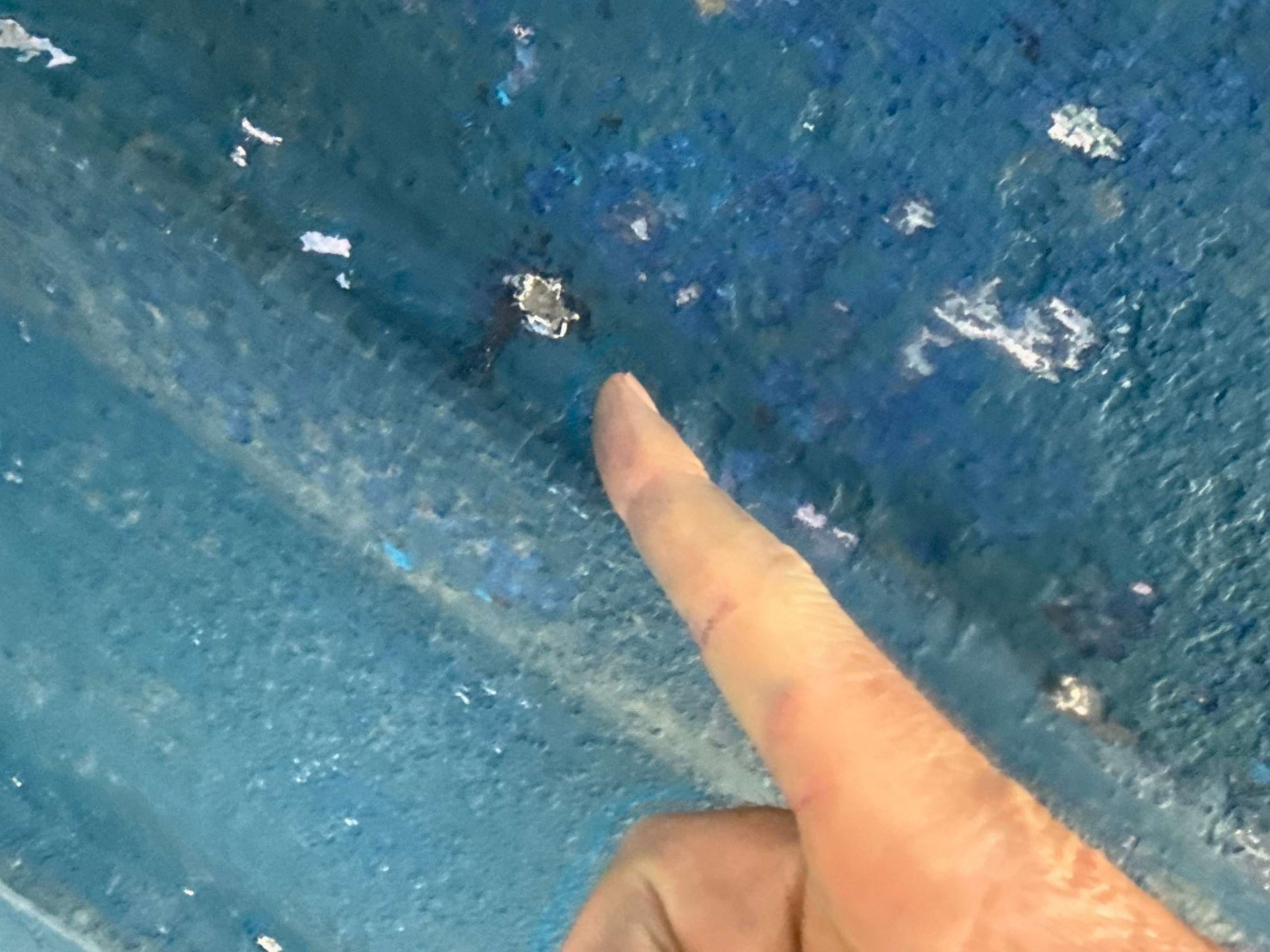
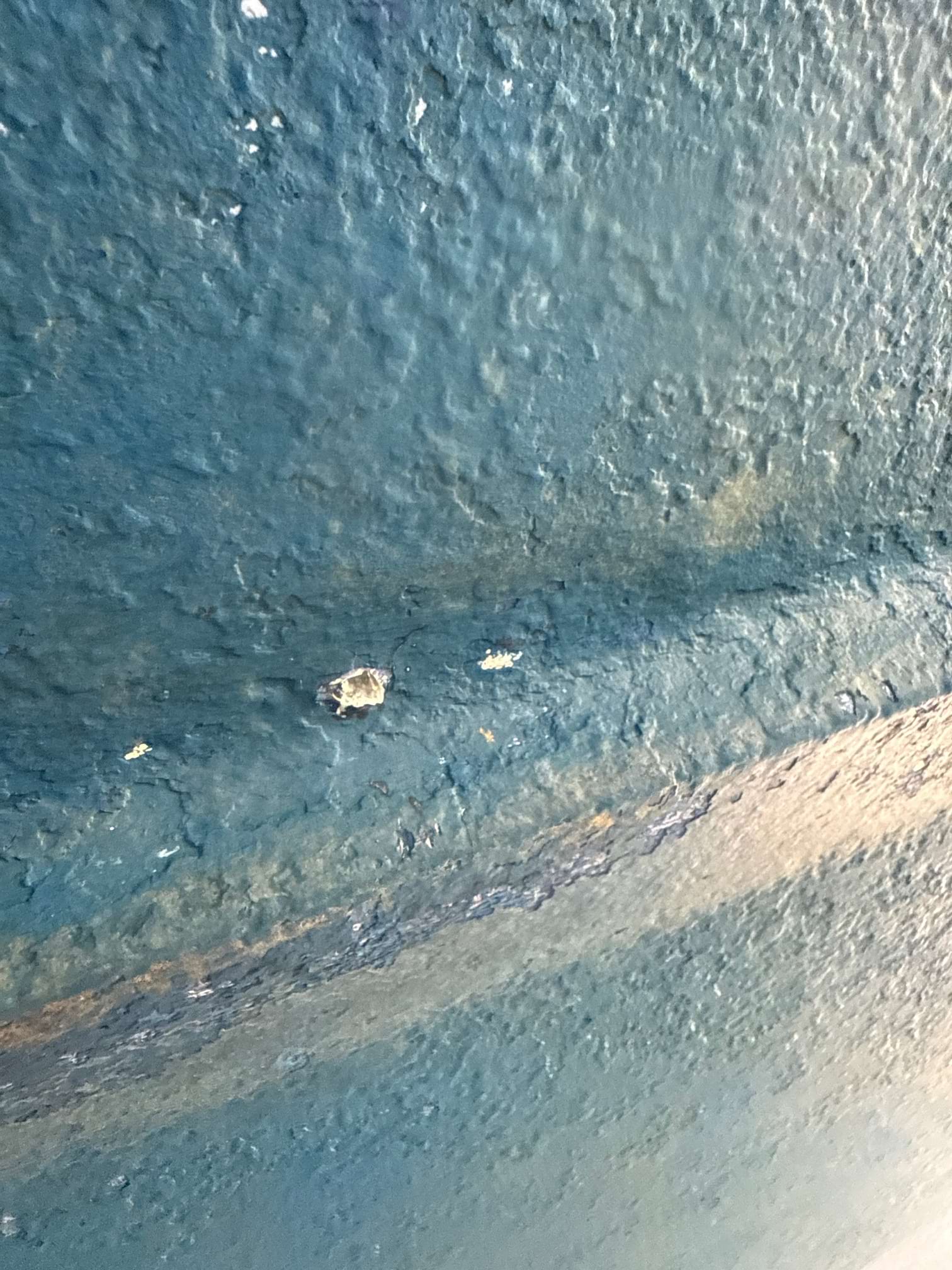
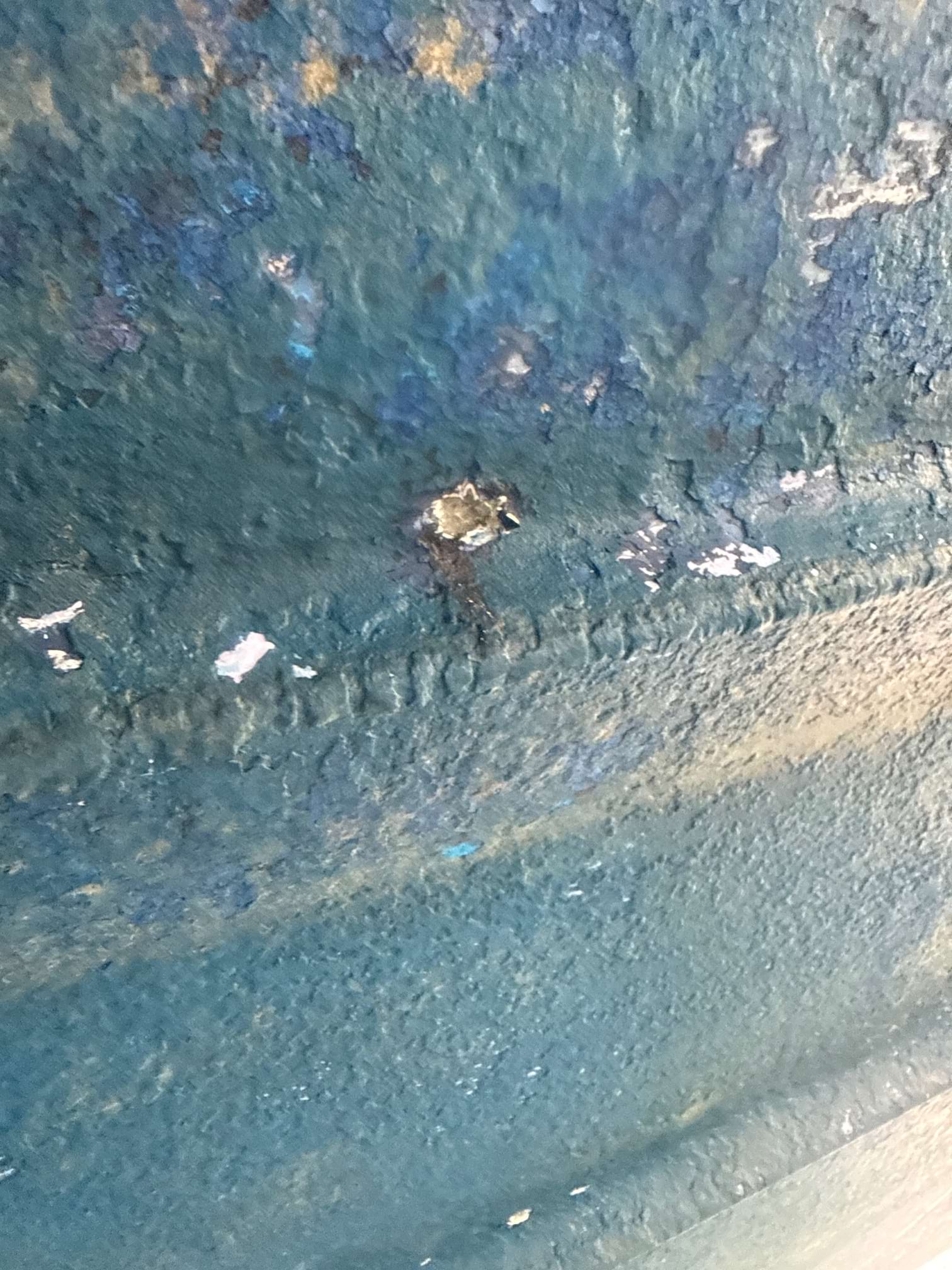
Once a suspicious raised area has been identified, the only way to obtain immediate confirmation is to drill the specific point. If an osmotic process is actually taking place beneath the surface, the evidence is immediate: fluid discharge, a characteristic smell and altered laminate consistency in the surrounding area.
This is a targeted check, not an invasive procedure affecting the hull as a whole, but it is crucial for distinguishing a superficial cosmetic defect from a process that, if allowed to continue, can compromise the strength of the laminate over time.
What to look for in practice
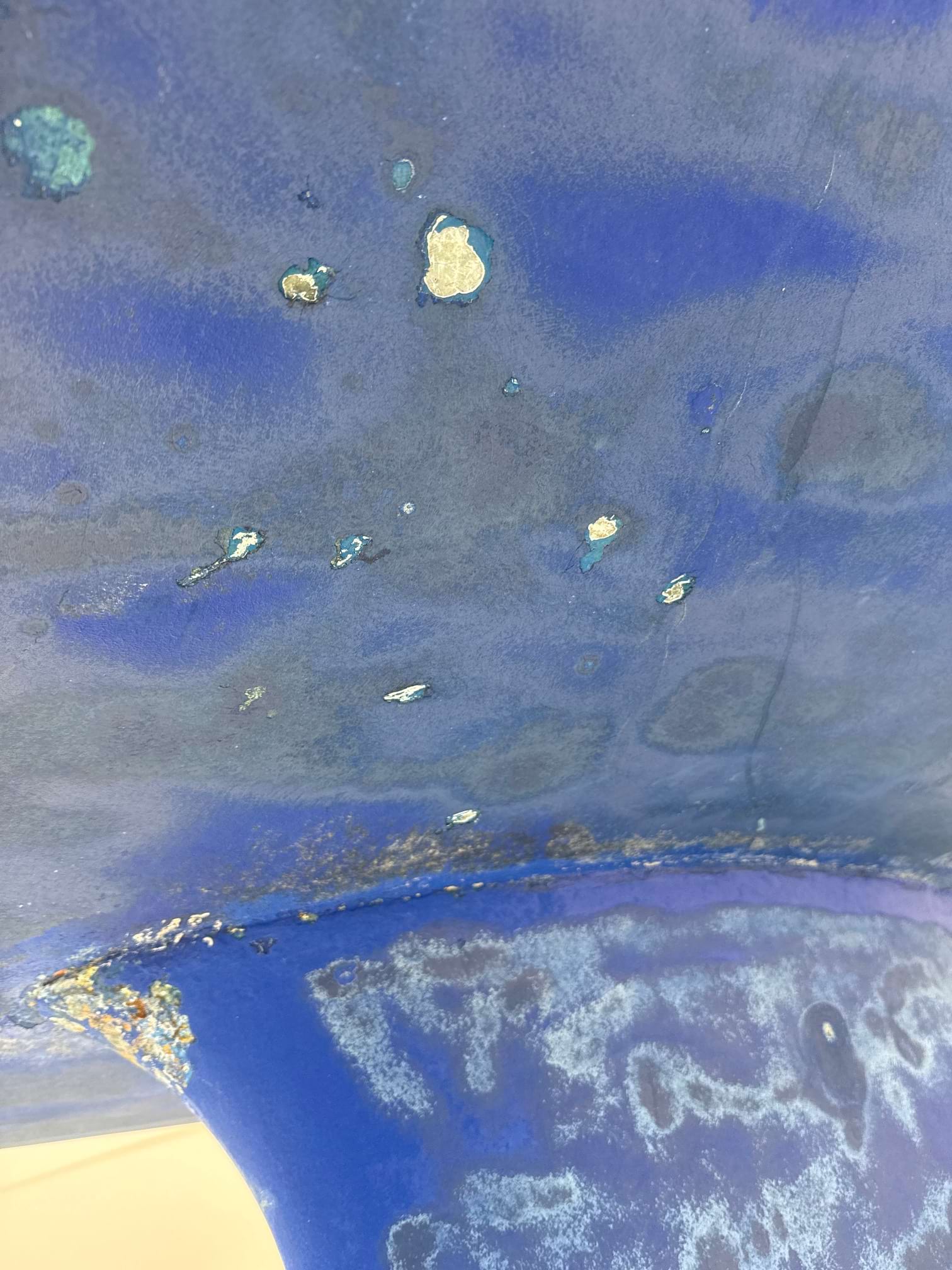
Small isolated raised spots, often only a few millimetres across, beneath the antifouling layer.
Areas with micro-delamination or slight cracking of the paint, even when there are no actual blisters.
Concentrations of raised spots around the keel, support-pad areas and sections that remain in prolonged contact with the water.
Variations in colour or texture to the touch compared with the surrounding areas of the hull.
Photographic documentation
The following images were taken during a boatyard inspection of a hull in storage. They show the type of raised spots described above: small, isolated and easily overlooked without a targeted inspection — together with the confirmation obtained through localised drilling.
Conclusion
Early-stage osmosis is not something you simply “see”: it is something you have to look for. A boat in winter storage, dry for several months, can conceal the early signs of a process extremely effectively — a process that, once back in the water and over time, will only tend to worsen.
This is why a methodical marine survey — close visual inspection, systematic manual examination and targeted checks where necessary — remains the most reliable way to properly assess the condition of the hull, whether before a purchase, a refit or simply to plan maintenance with a clear understanding of its actual condition.